Mirror and magnet nails in Japan: the two textures worth trying first

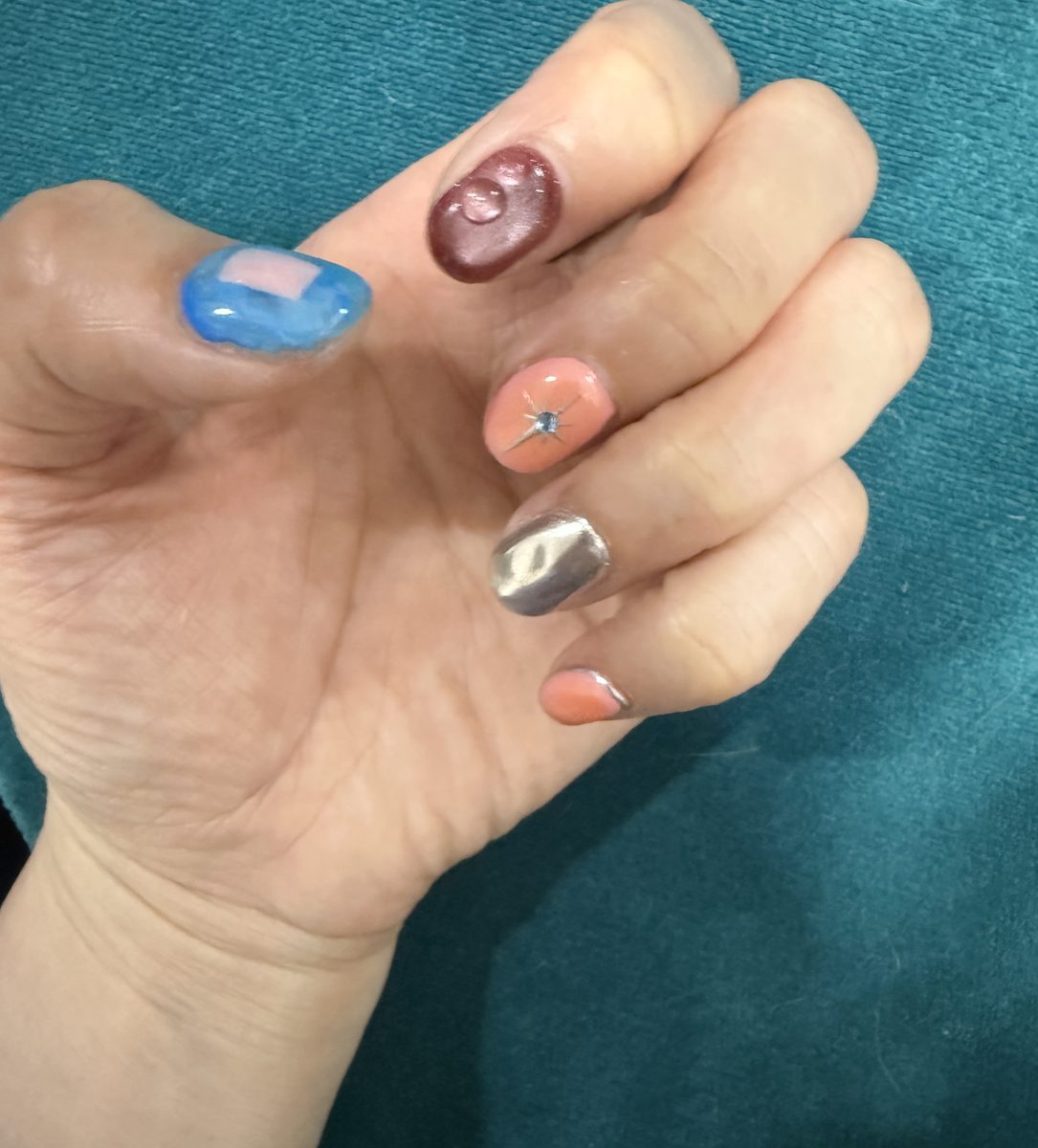
In Japan, magnet and mirror nails are no longer a trend — they are just what people ask for. I wear them all the time, and I even do them myself at home. If you are new to nail salons here, they are the two textures I would tell you to try first.
Magnet nail = gel with tiny magnetic particles, pulled into a shimmering pattern by a magnet (soft, deep, glowing). Mirror nail = metal powder rubbed on top (flat, glossy, chrome). Use one, or mix both, and a simple design suddenly looks finished.
Magnet nail: how it works
Magnet gel polish contains fine magnetic (iron) particles suspended in the gel. While the gel is still wet, the nail technician holds a small magnet close to the nail. The particles line up along the magnetic field, and that creates a line, a glow, a gradient or a halo depending on where and how the magnet is held. Then the nail goes under a UV or LED lamp, which cures the gel and locks the pattern in place.
The result is depth: light seems to move inside the colour. It is not a sparkle sitting on top, and that is why it looks so soft and expensive.
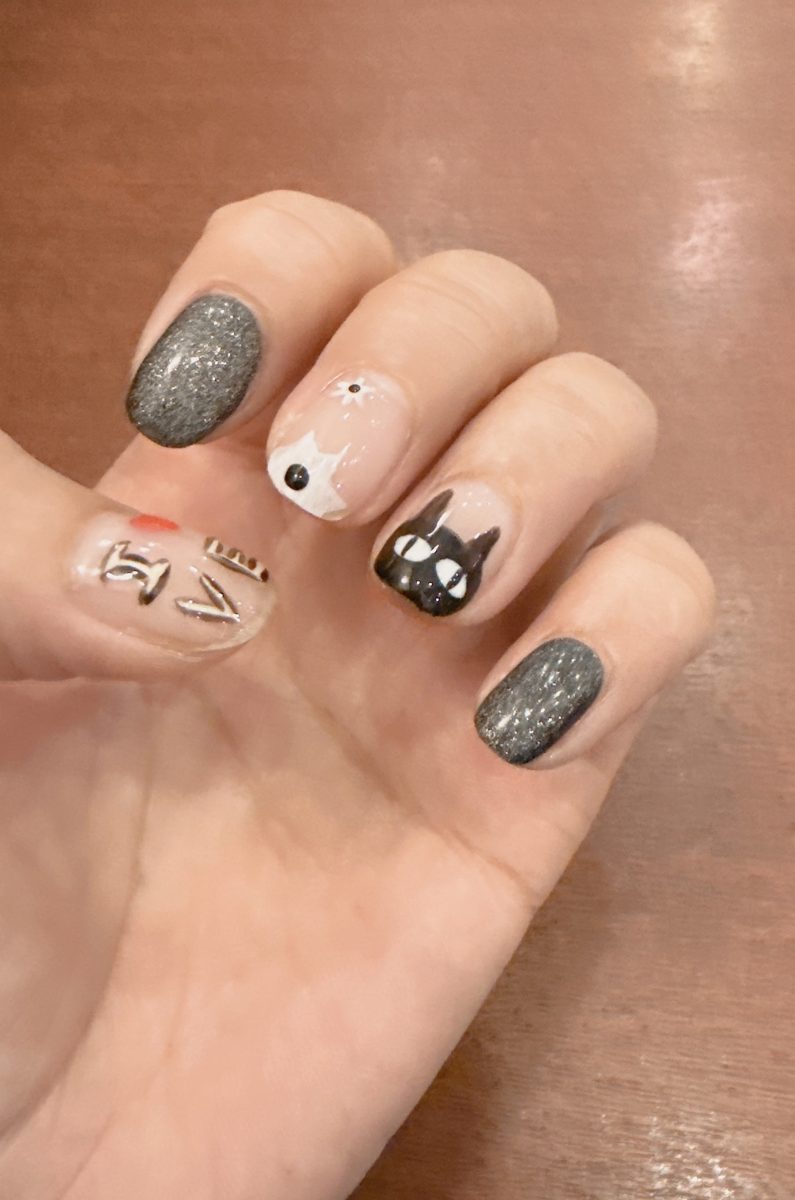
Colour choice matters. I have used a red magnet gel for a warm, nuanced look. I also tried a dark, almost black one, and honestly the magnet effect barely showed — dark colours can hide the line. Even then, it gave the colour a sense of depth, so I keep using it for mood rather than for a dramatic shine.
Mirror nail: how it works
Mirror nail is the metallic one. A very fine metal mirror powder is rubbed onto the nail over a cured no-wipe top gel (usually with a small tip or silicone brush), and then it is sealed with top gel. The finish is flat, glossy and chrome: silver, gold or a soft rainbow, depending on the powder.
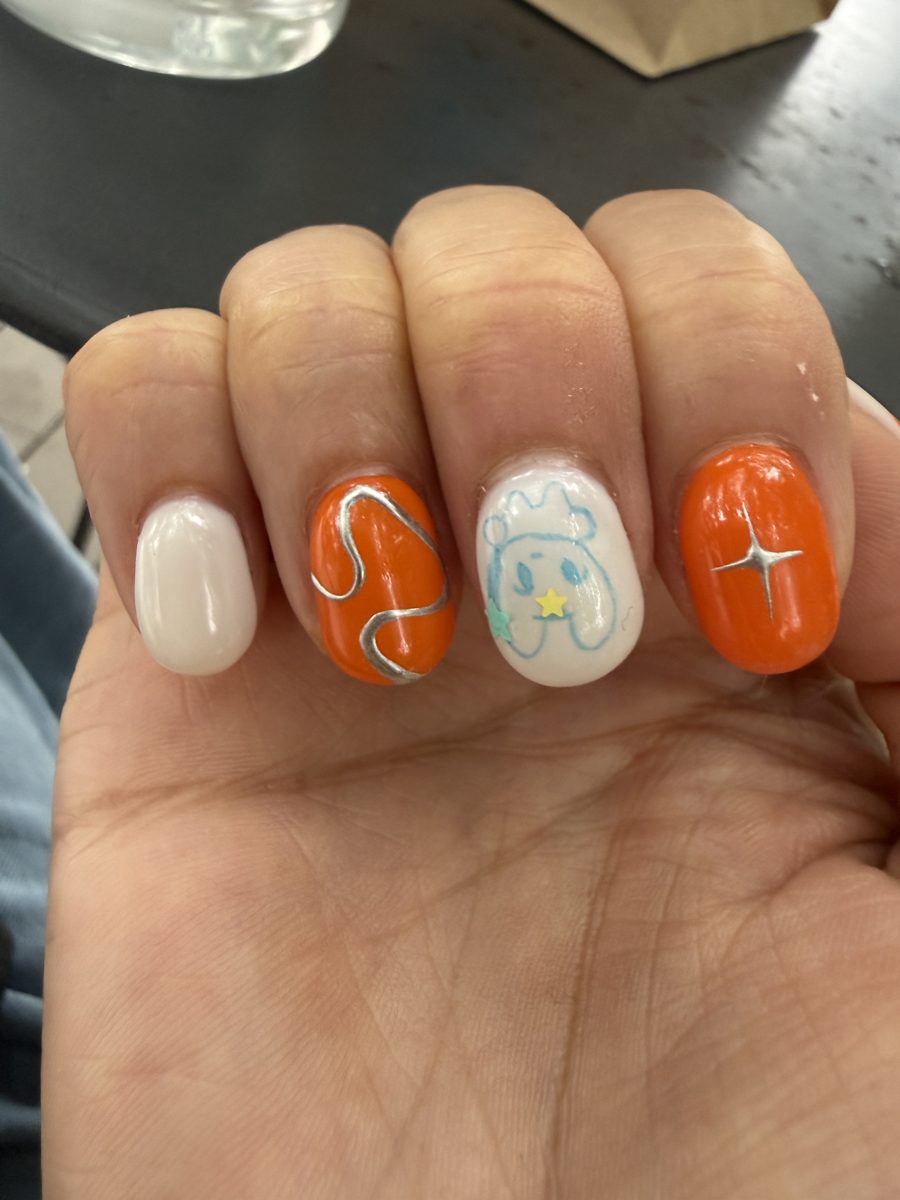
Because it looks like metal, it pairs well with objects. For one set, I had small metal charms made, stuck them on the nail, and then applied the mirror finish over them, so the charms and the nail become one piece — more like jewellery than polish.
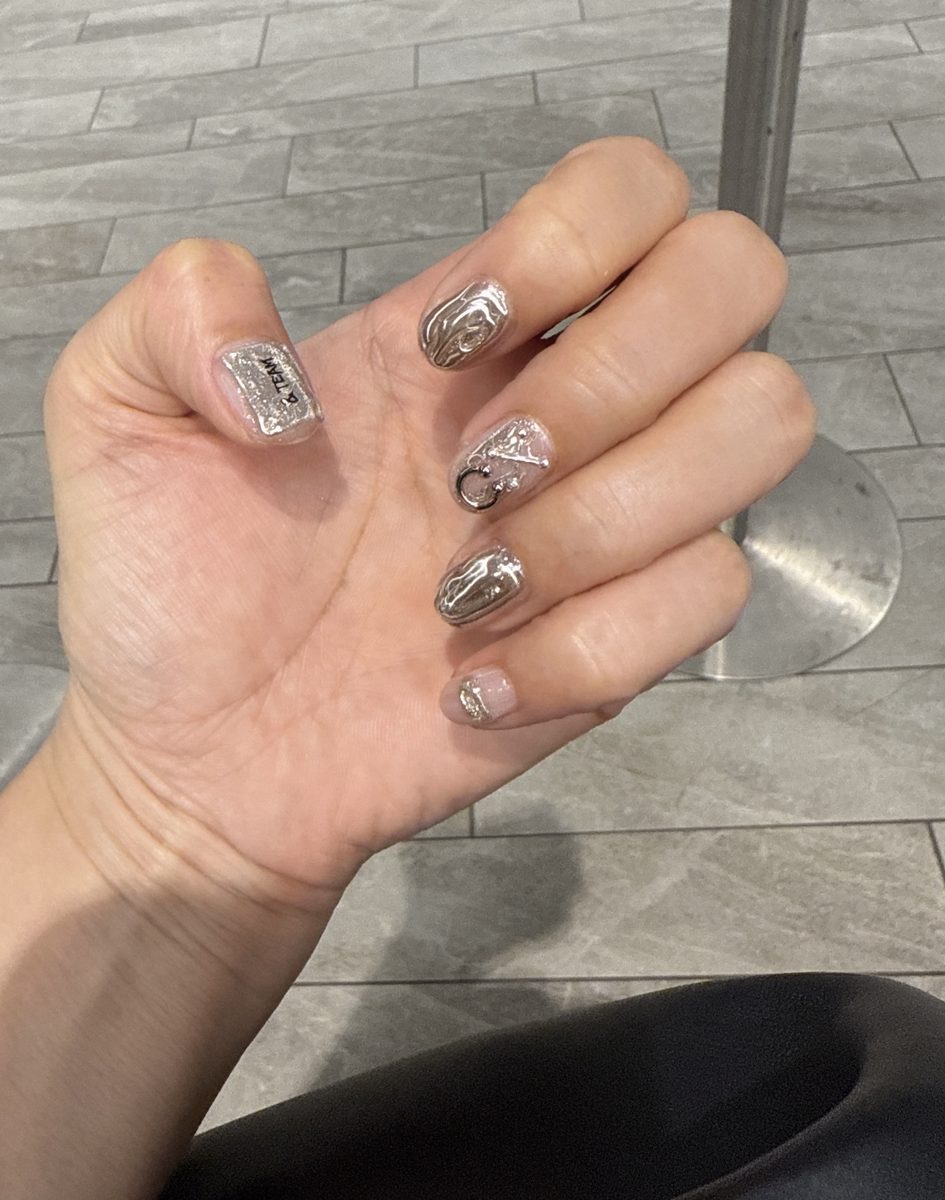
If you are not sure, choose one accent nail in mirror and one in magnet, and keep the rest simple. Mixing the two on one hand looks deliberate, not busy.
How to order in Japan
| Details | |
|---|---|
| Say | マグネット (magnetto) for magnet · ミラー (mira) for mirror |
| Bring | A reference photo — colour names get lost in translation, pictures do not |
| Good to know | Both are gel finishes cured under a lamp, so they last for weeks. Ask about removal when you book. |
| Beginner pick | One mirror accent nail + one magnet nail, or a magnet colour on all ten |
Explanations are from general nail-industry guides and my own experience — salons vary in how they apply things, so ask yours.
Common questions
What is magnet nail?
Magnet nail uses a gel polish that contains fine magnetic (iron) particles. Before the gel is cured, a small magnet is held over the nail and pulls the particles into a pattern, such as a line, a glow or a gradient. The nail is then cured under a UV or LED lamp to lock the pattern in.
What is mirror nail?
Mirror nail is a metallic finish. A fine metal mirror powder is rubbed onto the nail over a cured no-wipe top gel, which gives a chrome, silver-mirror look, and the result is then sealed with top gel.
What is the difference between magnet and mirror nails?
Magnet nails look deep and shimmery, like light moving inside the colour, and are made with a magnet. Mirror nails look flat, glossy and metallic, like polished metal, and are made with a powder. They can be combined on the same nail or on different fingers.
How do I ask for them at a Japanese nail salon?
Both are standard menu options. Say or show the words マグネット (magnetto) or ミラー (mira) and bring a reference photo. Salons will usually help you choose the colour.
Are they good for beginners?
Yes. Because they are so common in Japan, they are an easy way to get an interesting texture without a complicated design. Try one of the two, or a mix of both.